The Short Version
I studied biology and bioinformatics. Somewhere along the way I realized the biggest bottleneck in the lab wasn't the science — it was the software. Researchers losing hours to copy-paste between five different platforms. Data locked in silos nobody could query. Compliance checklists on paper in 2025.
So I crossed over. I design and build the systems that connect the dots — data pipelines, AI integrations, lab platforms, and the deep ontology models that make them actually understand biology. Not just "biotech software," but software that thinks in cell lines, passages, and CQAs.
When I'm not doing that, I'm vibe-coding physics simulations at 2 AM, teaching myself reinforcement learning by making agents balance sticks, or 3D-printing something that probably won't work on the first try.
Things I Believe
The best tools disappear into the workflow. If you're thinking about the software, the software has failed.
Biology is messy. Your data model shouldn't be. Deep ontologies beat shallow schemas every time.
If you can't run a DOE inside the same tool you track your cells in, you're going to lose data. It's not a question of if.
The gap between "research-grade" and "GMP-ready" is mostly just traceability. Build it in from day one.
Vibe Code
The stuff I build for fun. Weekend experiments, interactive simulations, and things that probably didn't need to exist — but I'm glad they do.
Bayesian Optimization
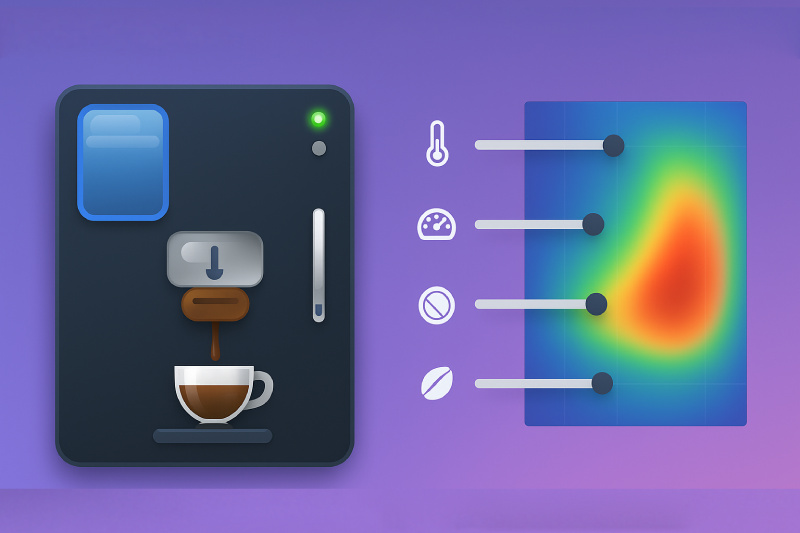
Learn BO by brewing the perfect cup of coffee. Turns out acquisition functions are surprisingly fun.
Cosmo Lab
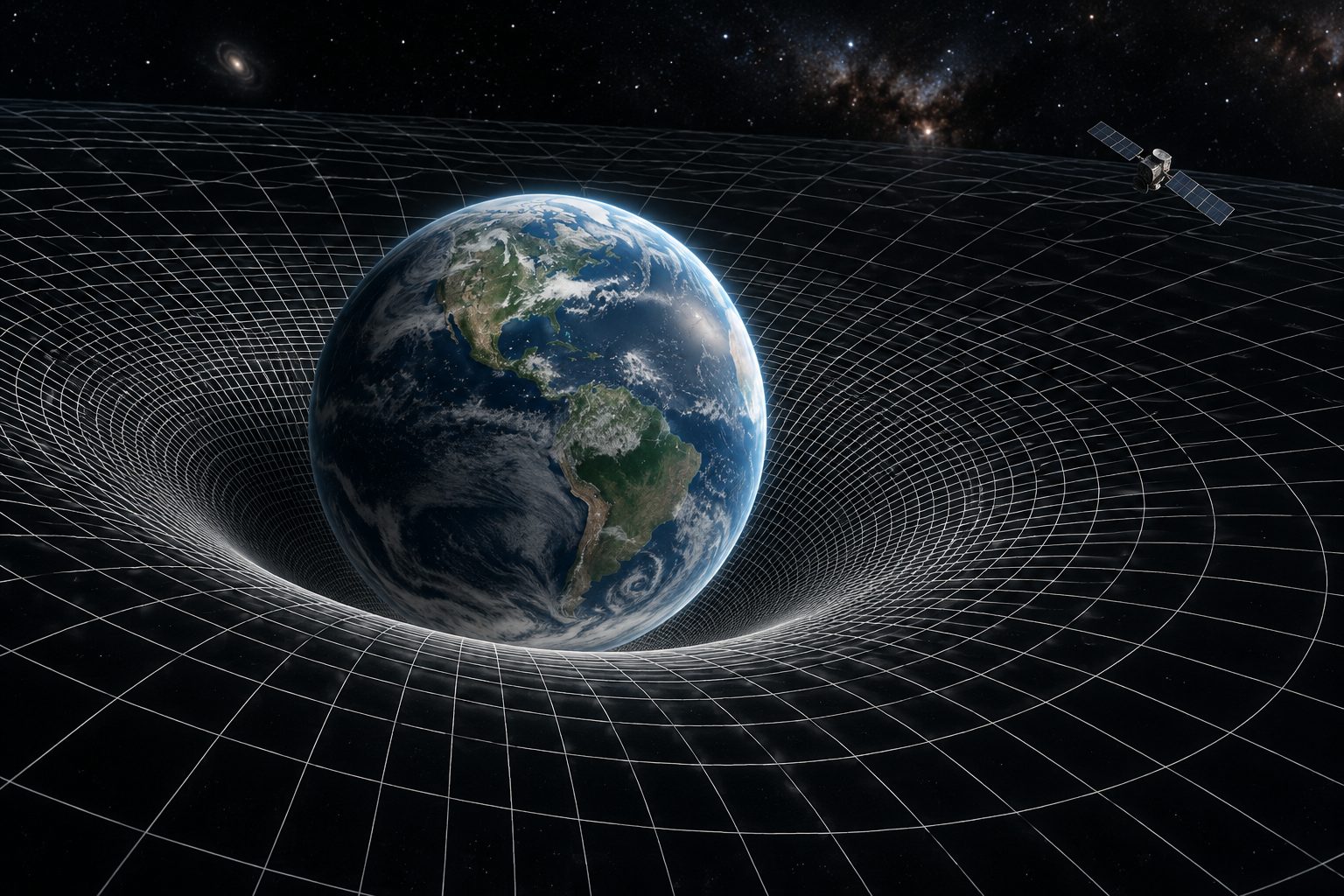
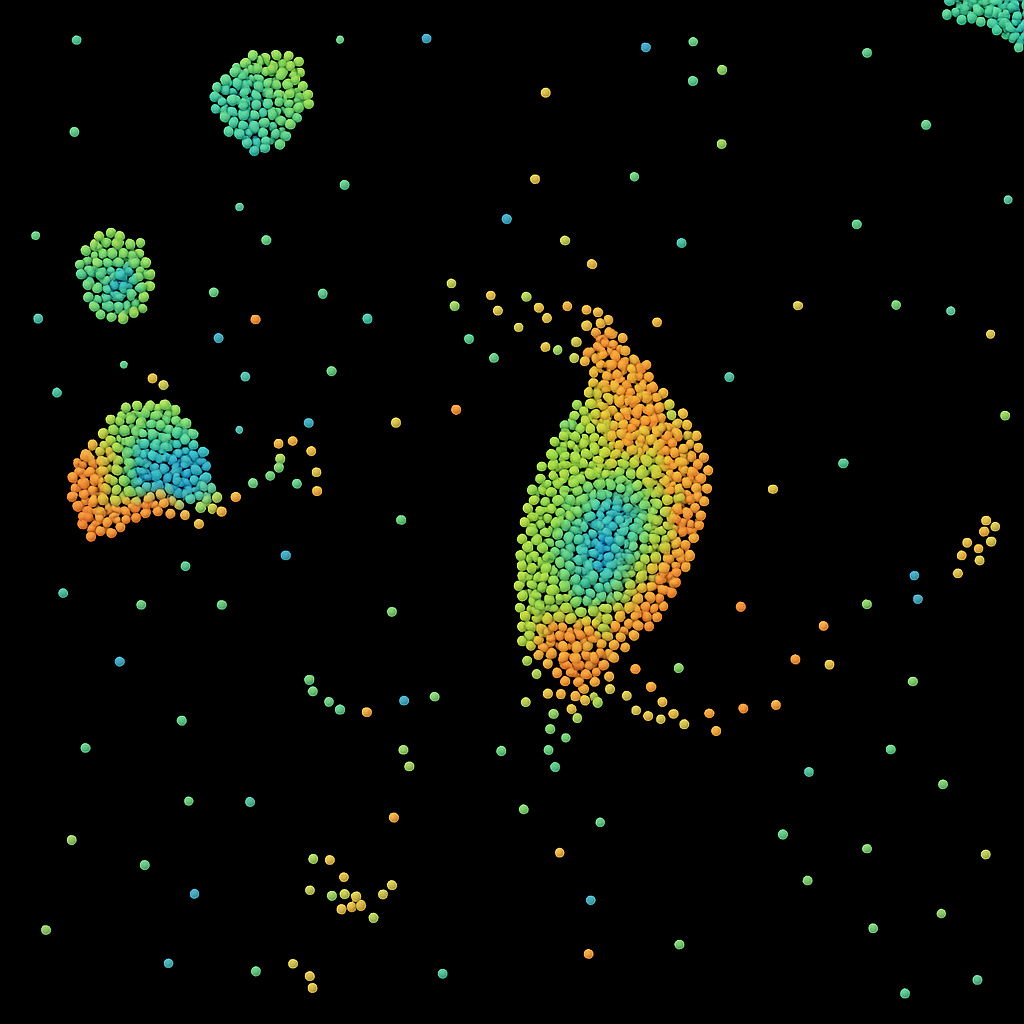
Particle physics sandbox — spawn photons, tweak gravity, crash planets into each other.
Stick Balance
An RL agent learns to balance a stick in real time. Fails hilariously, then figures it out.